Mid-Year Course Correction: The Case for Ongoing Leadership Training
Mid-Year Course Correction: The Case for Ongoing Leadership Training
By Shelley Brown, CHRE, FHRPA
Most organizations treat leadership development as a one-time task. It’s a checkbox on the New Year's resolution list. But waiting for the next calendar cycle to address performance gaps and other issues is a missed opportunity. By mid-year, the initial momentum has often stalled, engagement is beginning to dip, and the real challenges of the fiscal year have surfaced.
At AHR, we see mid-year as the most strategic time to invest in your people, especially your leaders. Leadership training allows you to pivot based on actual performance data rather than theoretical goals.
In this blog, we’ll discuss:
- Combatting the Mid-Year Engagement Dip
- Why Mid-Year is the Strategic Sweet Spot for Leadership Training
- The Business Case for Leadership Training: By the Numbers
Combatting the Mid-Year Engagement Dip
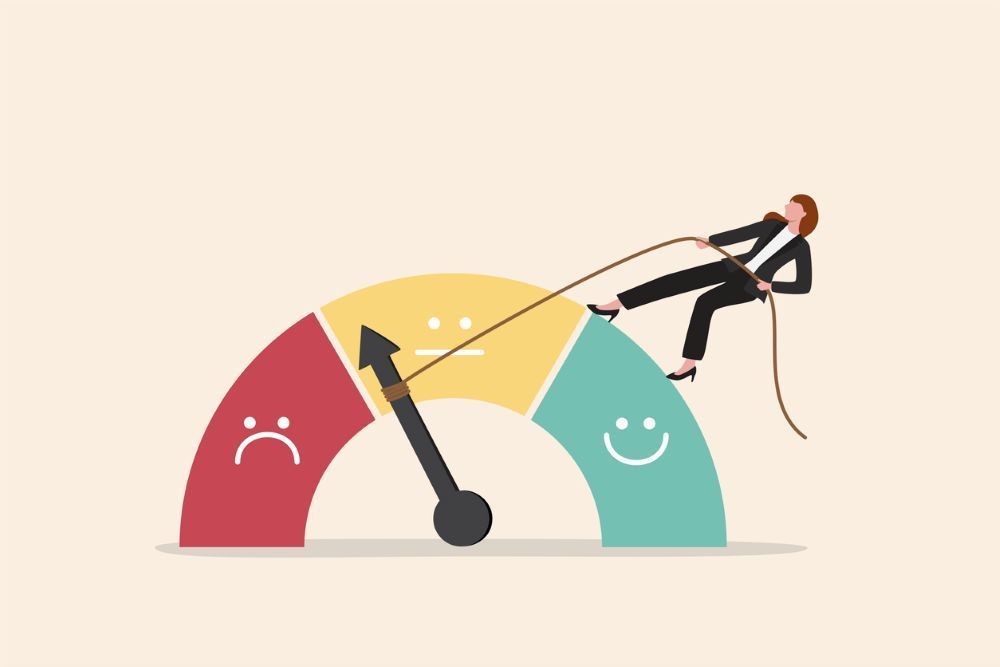
The mid-year engagement dip gets to even the best of us. By June or July, the initial excitement of annual goals often fades. This is when the "mid-year dip" hits. Employees and managers can feel like they are in a holding pattern, simply grinding through the day-to-day until the next fiscal cycle.
Just as an athlete doesn't train once a year, a manager needs consistent refinement to remain effective. This helps keep them sharp and on point throughout the year. Mid-year training can help re-engage and energize leadership.
Why Mid-Year Training is Important for Leaders and Managers
For leaders, training re-energizes managers who may be feeling stagnant or burnt out by current operational demands. It ensures your leadership stays agile enough to pivot when market conditions change.
Qualified HR consultants can provide hands-on support to help managers navigate complex provincial and federal employment regulations as they arise.
Why Mid-Year Training is Important for Employees
For your employees, introducing fresh training signals to your team that their growth is a priority 365 days a year, not just during annual reviews. Developmental support is one of the most effective tools for retention in a competitive Canadian recruitment market.
The most successful organizations we work with treat training as a continuous loop. At AugmentHR, we believe that professional development should be an evergreen process.
Short, focused "bursts" of training are often more effective for retention than one-off, day-long seminars. Mid-year is the perfect time to review compensation benchmarking to ensure your leaders are equipped to attract and keep top talent in the current market.
Why Mid-Year is the Strategic Sweet Spot for Leadership Training
Waiting for a new calendar year to develop your team often means missing the window where training has the most impact. Professional development should be an ongoing process rather than an annual event. Investing in your people during the second or third quarter of the year offers several practical advantages for Canadian businesses.
Real-Time Course Correction
Mid-year reviews frequently uncover specific areas where managers are falling short of their annual targets. By deploying targeted training now, you address these performance gaps while there is still enough time in the fiscal year to change the outcome. This proactive approach allows leaders to pivot their strategies based on actual data rather than the theoretical goals set back in January.
Proactive Burnout Prevention
Leadership fatigue is a measurable reality that typically peaks around the six-month mark. When the year's initial momentum fades, managers can feel stuck in a repetitive mid-year dip. Introducing fresh training at this stage provides a necessary second wind, re-energizing your leadership team and giving them new tools to manage their workloads effectively.
It’s Part of a Good Retention Strategy
Top-tier talent and high-potential employees do not limit their career aspirations to an annual review cycle. They look for consistent signs that their organization is invested in their professional growth. Providing development opportunities mid-year proves that your commitment to their career is ongoing, which is a powerful differentiator in a competitive recruitment landscape.
Immediate Impact on the Bottom Line
Training delivered in June or July offers a faster return on investment than programs launched at year-end. The skills your managers acquire during the summer can be applied directly to the critical Q4 push. This immediate application ensures that the training isn't just theoretical. It actively helps your team hit their final year-end numbers and drive results.

The Business Case for Leadership Training: By the Numbers
Research from the Center for Creative Leadership (CCL) highlights exactly why leadership development is a high-yield investment:
Improved Bottom Line: Organizations that prioritize leadership development can expect up to 21% higher profitability and 17% higher productivity.
Enhanced Engagement: Program participants reported a 60% improvement in team engagement and their ability to develop others just two months after training.
Talent Retention: Employee retention is 20 times greater at companies with a focus on leadership development.
Agility in Change: 86% of companies with strategic leadership programs are able to respond rapidly to unpredictable business environments, compared to just 52% of those with less mature programs.
Cost Savings: With the average cost of a departing employee reaching $18,591, investing in current leaders is significantly more cost-effective than external hiring.
How AHR Supports Your Leadership Goals
Leadership training is often ineffective when it is handled by those without specific HR qualifications or experience. A one-size-fits-all seminar rarely addresses the nuanced culture of a small business or the complex compliance needs of a growing mid-sized firm.
Effective training should be:
Hands-on and Practical: Focused on real-world scenarios your team faces daily.
Expert-Led: Facilitated by senior consultants with deep expertise in the Canadian regulatory and recruitment landscape.
Customized: Tailored to your specific industry, whether you are in a growth phase or navigating a transition.
We don't believe in rigid retainers or subscription fees. Our approach to HR Training is built on the same flexibility that defines our entire firm.
On-Demand Expertise: Access senior HR consultants with combined decades of experience across 15+ service areas.
No Long-Term Commitment: Pay only for the training modules and support your team needs right now.
Integrated Support: We can work as a standalone resource or alongside your internal HR team to fill specific skill gaps.
Scalable Solutions: From small startups to large enterprises, our programs scale to fit your budget and headcount.
Don't wait until next year to build a stronger leadership bench. Let’s discuss how a targeted mid-year training program can help your team cross the finish line with momentum.
Shelley Brown, CHRE, FHRPA is a senior HR professional with over 30 years of experience in workplace conflict resolution, employee relations, and harassment prevention. A Fellow of the Human Resources Professional Association (HRPA), she has led HR functions in multinational organizations and advises businesses on managing sensitive people issues and fostering respectful workplaces.